Muga Silk: The Golden Treasure of Assam
Introduction
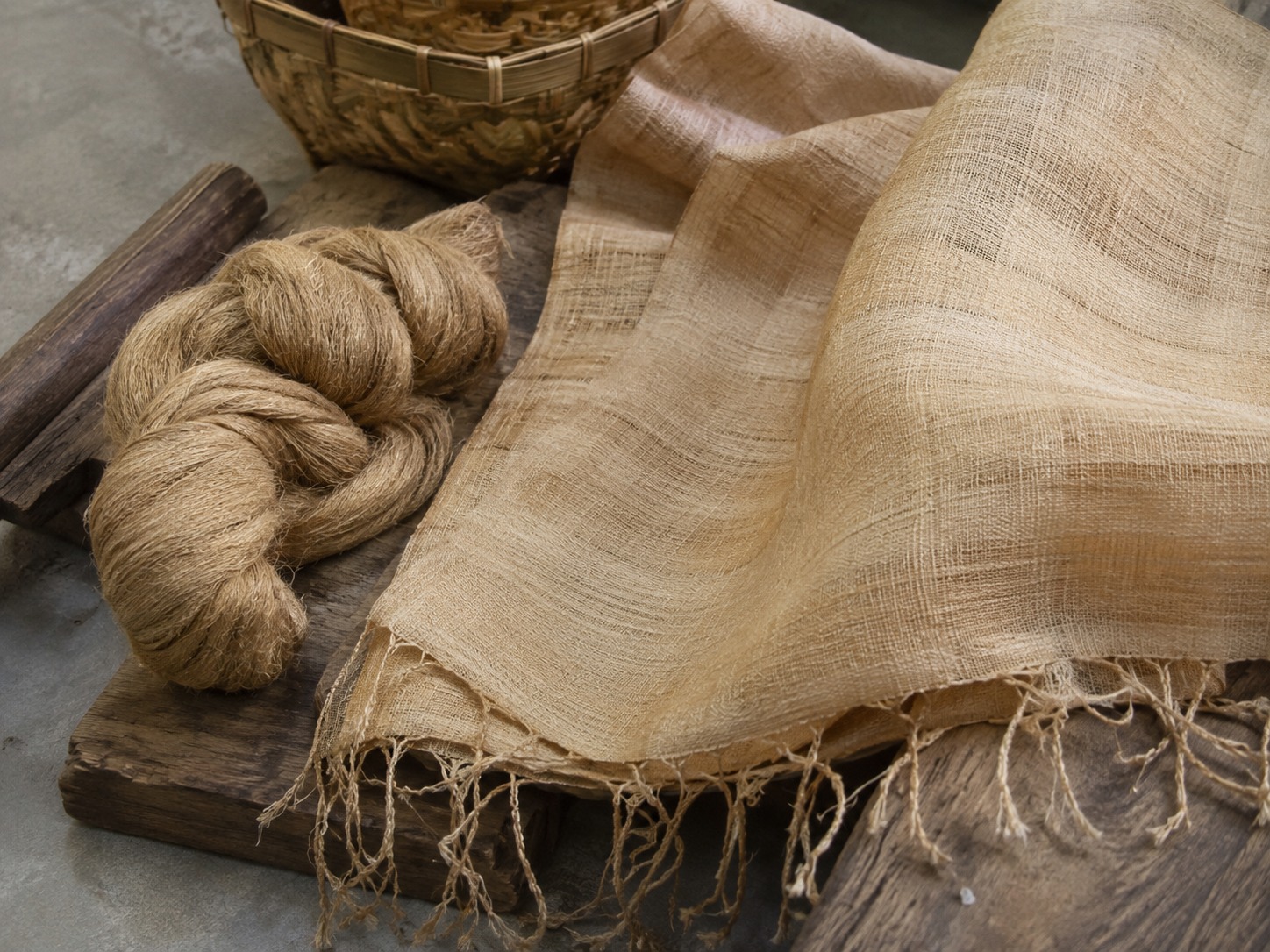
Muga silk is one of Assam’s most precious traditional textiles. Known for its natural golden colour, strength, and gentle shine, it has been a part of Assamese culture for generations. Unlike many other silks, Muga gets its beautiful golden tone naturally. With proper care, the fabric can become richer and more lustrous with age, making it a textile that can be treasured for many years.
Where Does Muga Silk Come From?
Muga silk comes from the silkworm Antheraea assamensis, which is native to Assam. The silkworm feeds mainly on the leaves of Som and Soalu trees. Assam’s climate and natural environment make the Brahmaputra Valley especially suitable for Muga cultivation. The silk cannot be produced simply by using the same silkworm elsewhere. The right climate, host plants, traditional knowledge, and skilled craftsmanship all play an important role.
From Cocoon to Fabric
The journey of Muga silk begins with the silkworm. After feeding on leaves and growing, the silkworm spins a cocoon. The cocoons are then collected and carefully processed to obtain the silk filament. The silk is reeled into yarn and prepared for weaving. Skilled weavers then turn the yarn into beautiful traditional garments such as Mekhela Sadors, sarees, and stoles. Every stage requires patience and experience, which is why traditional Muga weaving is such a valuable craft.
Why Is Muga Silk Special?
Muga is known for its exceptional strength. A well-made Muga garment can last for generations when cared for properly. Its natural golden colour and lustre also give it a distinctive beauty that becomes more noticeable with time. Muga garments are traditionally worn during weddings, festivals, and other special occasions. For many Assamese families, they are precious heirlooms passed down from one generation to another.
Conclusion
Muga silk is more than a beautiful fabric. It represents Assam’s natural wealth, traditional knowledge, and the skill of its artisans. Each piece carries a story of the land and the people who have preserved this remarkable craft for generations.